
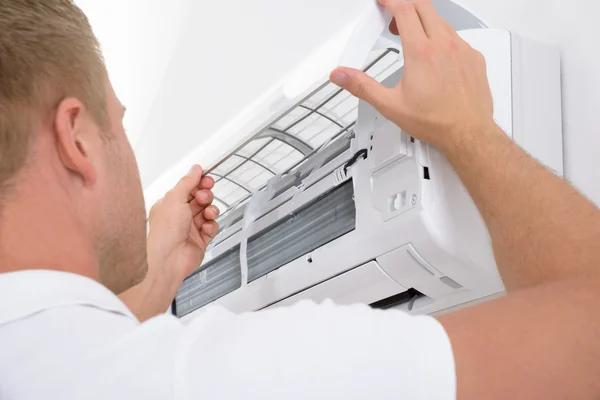

Installing a mini split air conditioning system can be an efficient way to cool or heat specific areas of your home. These systems offer flexibility, energy efficiency, and ease of installation compared to traditional HVAC systems. However, to fully reap these benefits and avoid costly errors, it’s crucial to approach the installation process with care and precision.
Firstly, selecting the right unit size for your space is paramount. An undersized unit will struggle to maintain desired temperatures, leading to increased wear and tear and higher energy bills. Conversely, an oversized unit may cycle on and off too frequently, causing discomfort and inefficient operation. It’s advisable to consult with a professional who can perform a load calculation based on factors like room size, insulation quality, window placement, and local climate conditions.
Once you’ve selected the appropriate unit size, consider the placement of both indoor and outdoor components carefully. The indoor air handler should ideally be installed high on a wall in a central location within the room for optimal airflow distribution. Avoid placing it near sources of heat or humidity such as stoves or bathrooms which could affect its performance. For the outdoor condenser unit, ensure it has ample clearance from walls or other obstructions—typically at least 12 inches—and is placed on a stable surface away from direct sunlight if possible.
Proper refrigerant line installation is another critical aspect that demands attention. Lines must be adequately insulated to prevent thermal loss or gain which could impair system efficiency or lead to condensation issues over time. Ensure there are no sharp bends in these lines as this could restrict refrigerant flow.
Electrical connections should also be handled with utmost caution; improper wiring can pose serious safety risks including fire hazards or electrical shocks. It’s recommended that you hire a licensed electrician familiar with local codes to handle all electrical work associated with your mini split ac installation.
Moreover, vacuuming out air from refrigerant lines before releasing refrigerant into them is essential for removing moisture which might otherwise cause corrosion inside components over time—a mistake often overlooked by DIY installers leading eventually towards expensive repairs downline!
Lastly but importantly: remember regular maintenance post-installation! Cleaning filters monthly helps maintain good airflow while checking coils annually ensures they remain free from dirt build-up affecting cooling capacity negatively overtime thus prolonging lifespan overall significantly reducing likelihood encountering unexpected breakdowns during peak usage periods when needed most!
By following these practical tips closely during each stage involved throughout entire process—from initial planning through final setup—you’ll not only maximize comfort levels achieved indoors efficiently but also minimize potential pitfalls along journey ensuring successful outcome every step taken forward confidently knowing avoided costly errors successfully altogether ultimately saving money long term wise overall indeed!