
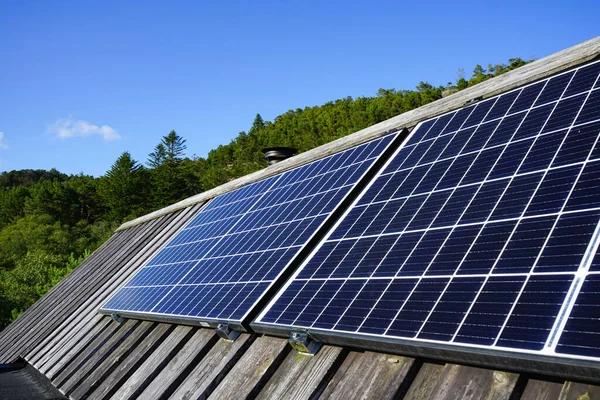

Solar panels have become a pivotal component in the transition toward eco-friendly energy systems, offering numerous advantages that contribute to sustainable development and environmental preservation. One of the primary benefits of solar panels is their ability to generate clean and renewable energy from sunlight, which significantly reduces reliance on fossil fuels. Unlike coal or natural gas power plants, solar energy does not emit greenhouse gases or air pollutants during operation, helping to mitigate climate change and improve air quality. This clean energy production plays a crucial role in reducing carbon footprints at both individual and community levels.
In addition to environmental benefits, solar panels provide economic advantages by lowering electricity costs over time. Once installed, they harness free sunlight to produce power, allowing homeowners and businesses to reduce or even eliminate monthly utility bills. The initial investment can be offset through various government incentives, tax credits, and rebates aimed at encouraging renewable energy adoption. Over the lifespan of a solar panel system-typically 25 years or more-the cumulative savings on electricity expenses can be substantial.
Another important advantage is the low maintenance requirement of solar panels. With no moving parts involved in converting sunlight into electricity, these systems are durable and reliable under diverse click now weather conditions. Routine cleaning and occasional inspections are usually sufficient to maintain optimal performance. This simplicity contributes to lower operational costs compared with conventional power generation methods that require ongoing fuel supply chains and complex machinery upkeep.
Solar technology also enhances energy independence by allowing users to produce their own electricity locally rather than relying solely on centralized grids vulnerable to outages or price fluctuations. In remote areas where grid access is limited or nonexistent, solar panels provide an effective means for electrification without extensive infrastructure investments. Additionally, integrating battery storage solutions with solar arrays enables excess energy generated during sunny periods to be stored for use when sunlight is unavailable, further increasing resilience and self-sufficiency.
Furthermore, widespread adoption of solar panels supports job creation within the renewable energy sector as demand grows for manufacturing, installation, maintenance services, and research innovations aimed at improving efficiency. This economic stimulation complements broader efforts toward green growth strategies worldwide.
Overall, solar panels represent a vital advancement in eco-friendly energy systems by offering clean emissions-free power generation combined with cost-effectiveness and reliability. Their capacity for decentralization empowers individuals while fostering environmental stewardship on a global scale through reduced pollution levels alongside enhanced sustainability prospects for future generations. As technology continues evolving rapidly with improved materials and smarter integration techniques emerging regularly, the role of solar panels will remain central in shaping greener economies across diverse regions around the world today and beyond tomorrow.