
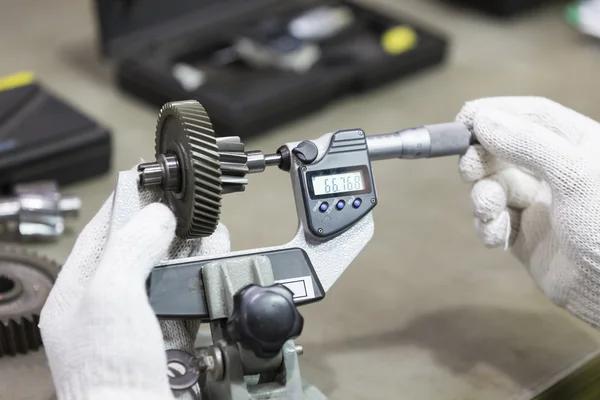

Accredited calibration services play a crucial role in ensuring the accuracy and reliability of measurement instruments across various industries. What makes these services trustworthy is their adherence to strict standards and rigorous procedures that guarantee precise results. Calibration involves comparing an instrument’s measurements against a known reference standard, and when this process is carried out by accredited providers, it ensures consistency, traceability, and confidence in the data produced.
One key factor contributing to the reliability of accredited calibration services is their compliance with internationally recognized standards such as ISO/IEC 17025. This accreditation confirms that the laboratory operates competently and generates valid results. It requires regular assessments by independent bodies that evaluate technical competence, equipment quality, staff qualifications, and procedural integrity. Such oversight helps maintain high-quality service delivery while minimizing errors or inconsistencies.
Traceability is another critical aspect that enhances trustworthiness. Accredited labs ensure all calibrations are linked to national or international measurement standards through an unbroken chain of comparisons. This traceability guarantees that measurements can be related back to fundamental units like meters or kilograms with documented uncertainty levels. Clients benefit from knowing their instruments have been calibrated against reliable benchmarks rather than arbitrary references.
The expertise and training of personnel involved also contribute uncover more significantly to dependable calibration outcomes. Technicians must possess specialized knowledge about different types of measuring devices along with hands-on experience in handling sensitive equipment under controlled conditions. Continuous professional development ensures they stay updated on evolving technologies and best practices within metrology fields.
Additionally, accredited calibration services typically maintain well-documented quality management systems designed to monitor processes systematically from start to finish. These systems include detailed record-keeping for each calibration event which supports transparency and accountability while enabling repeatability if needed later on.
Reliable turnaround times combined with clear communication further enhance client confidence in these services. Customers receive timely reports outlining measurement results along with comprehensive uncertainty analysis, allowing informed decisions based on trustworthy data.
In summary, accredited calibration services gain trust through stringent adherence to international standards, robust traceability chains linking measurements back to primary units, skilled personnel maintaining precision during tests, thorough quality management protocols ensuring consistent operations, and transparent reporting practices facilitating informed usage of calibrated instruments across diverse applications worldwide.