
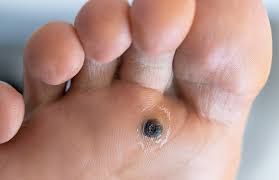

Moles are common skin growths that most people will encounter at some point in their lives. While many moles are harmless, there are instances where removal is recommended for health or cosmetic reasons. Dermatologists, as specialists in skin health, offer expert advice on when and how to safely remove moles.
Firstly, it’s important to understand what a mole is. Moles, medically known as nevi, are clusters of pigmented cells that appear as small brown spots on the skin. They can vary in color and size and may change over time due to hormonal changes or sun exposure. While most moles are benign, dermatologists stress the importance of monitoring them for any changes that could indicate malignancy.
One of the primary concerns with moles is their potential to develop into melanoma, a serious form of skin cancer. Dermatologists recommend regular self-examinations using the ABCDE method: Asymmetry (one half doesn’t match the other), Border irregularity (edges are ragged or blurred), Color variation (different shades within one mole), Diameter larger than 6mm, and Evolving shape or color over time. If any of these signs are present, it’s crucial to consult a dermatologist promptly.
When considering mole removal for non-cancerous reasons such as irritation from clothing or aesthetic preferences, dermatologists can provide several safe options. Shave excision involves numbing the area and shaving off the mole close to the skin’s surface; this method is quick but may leave a slight scar. Surgical excision involves cutting out the entire mole along with a margin of surrounding tissue; this technique ensures complete removal but requires stitches.
Another modern technique employed by dermatologists is laser removal which uses targeted light beams to break down pigment cells in smaller moles without affecting surrounding areas. However, laser foot wart treatment might not be suitable for all types of moles especially if there’s suspicion of malignancy since it doesn’t allow for biopsy analysis.
Dermatologists also emphasize post-removal care which includes keeping the wound clean and protected from sunlight while healing occurs to minimize scarring risks. Patients should follow up with their dermatologist if they notice any unusual symptoms during recovery.
Overall safety should always be prioritized when dealing with potential health risks associated with moles. Self-treatment methods available online often lack scientific backing and pose unnecessary dangers such as infection or misdiagnosis leading potentially life-threatening conditions undetected until too late hence professional evaluation remains essential step towards effective management ensuring peace mind knowing your skincare handled by qualified experts dedicated maintaining optimal well-being through best practices tailored each individual case scenario encountered daily clinical settings worldwide today tomorrow alike!